Traceable Ancient Criollo Cacao for Ultra-Premium European Crafting

Cultivated at Hacienda La Porcelana under rigorous agroecological standards, documented by university research, and fermented with single-strain precision.

Explore Data Catalog Physical Quality Profile
100%
Ancient Criollo Genetics
0%
Synthetic Chemical Inputs
10x
Fair-Wage Baseline
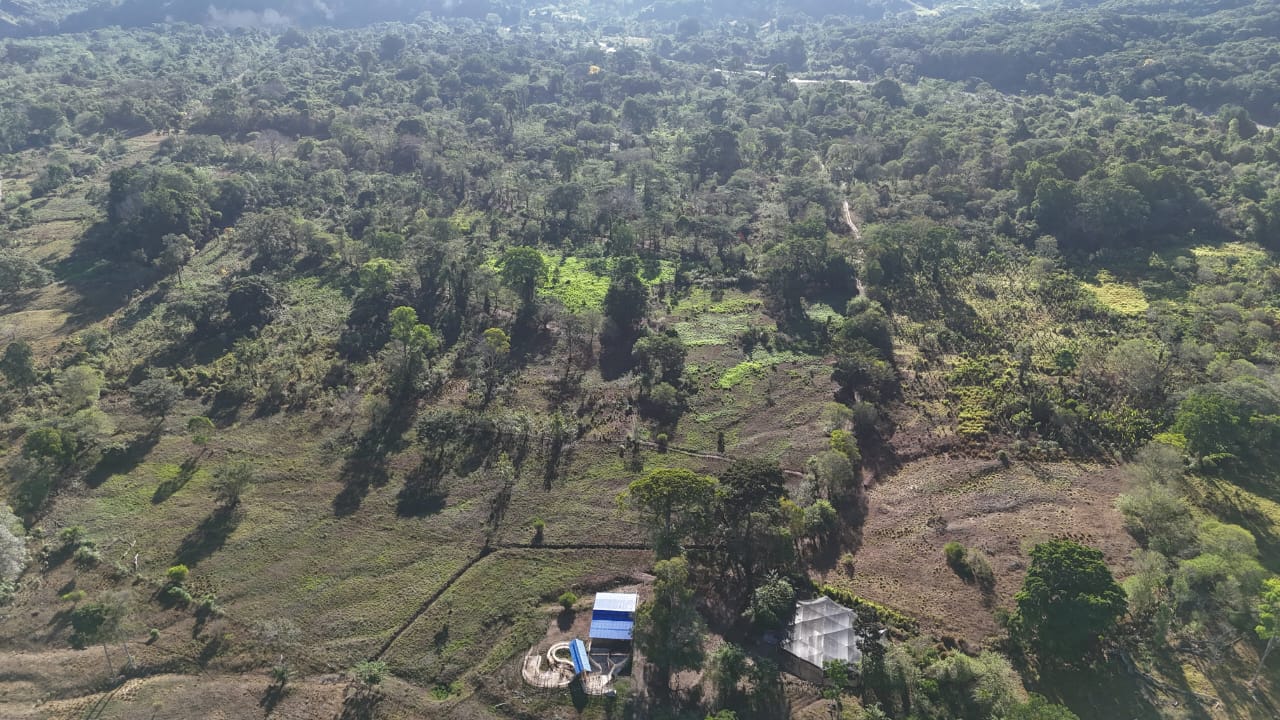
Wide shot of Hacienda La Porcelana under native canopy shade

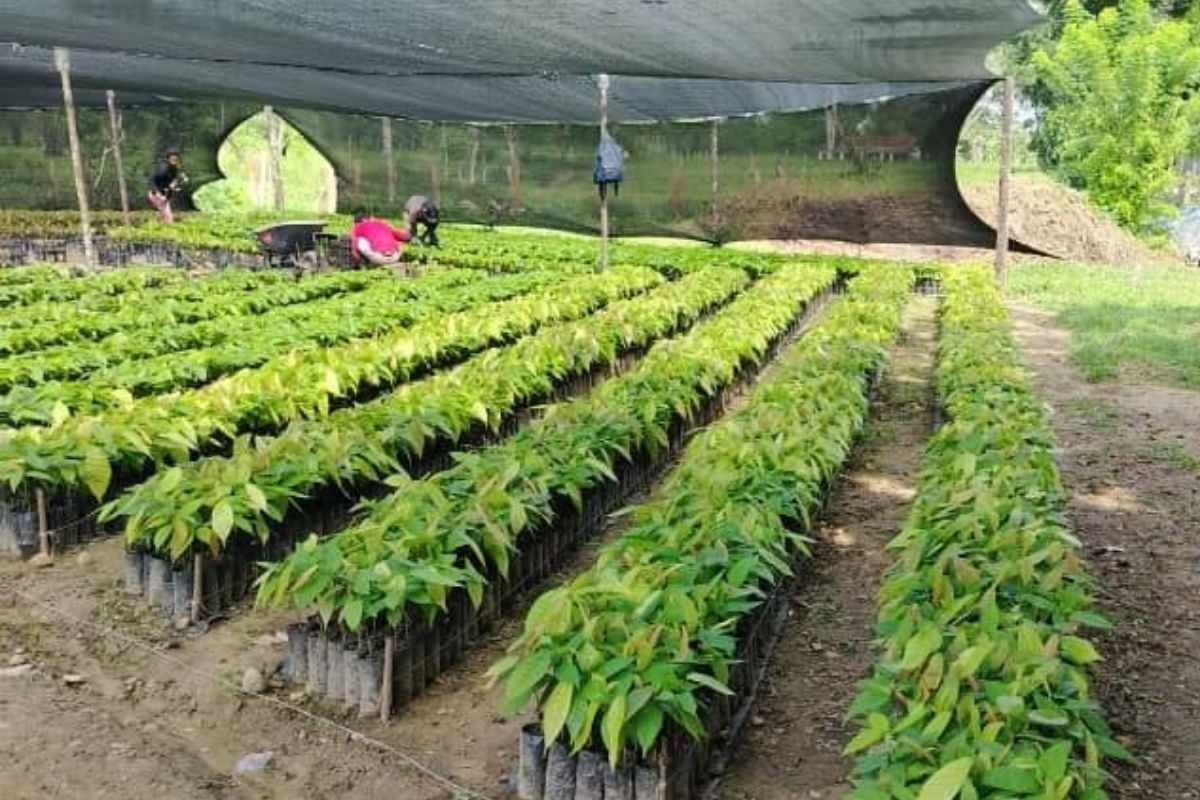
Controlled Plant Nursery (Vivero)

Zero-chemical seedling development and side-veneer graft propagation under bio-protected conditions.

Rows of healthy grafted Criollo seedlings under regulated shade cloth inside the nursery
Stage 01: Early Development

Rigorous Phytosanitary Standards

Our nursery operations ensure maximum plant vigor and zero chemical residue from the seed stage before field transplanting:

  • Biological Defense: Seed coat inoculations using beneficial Trichoderma fungi to block root pathogens organically.
  • Organic Nutrition: Substrate enriched exclusively with composted gallinaza and organic matter.
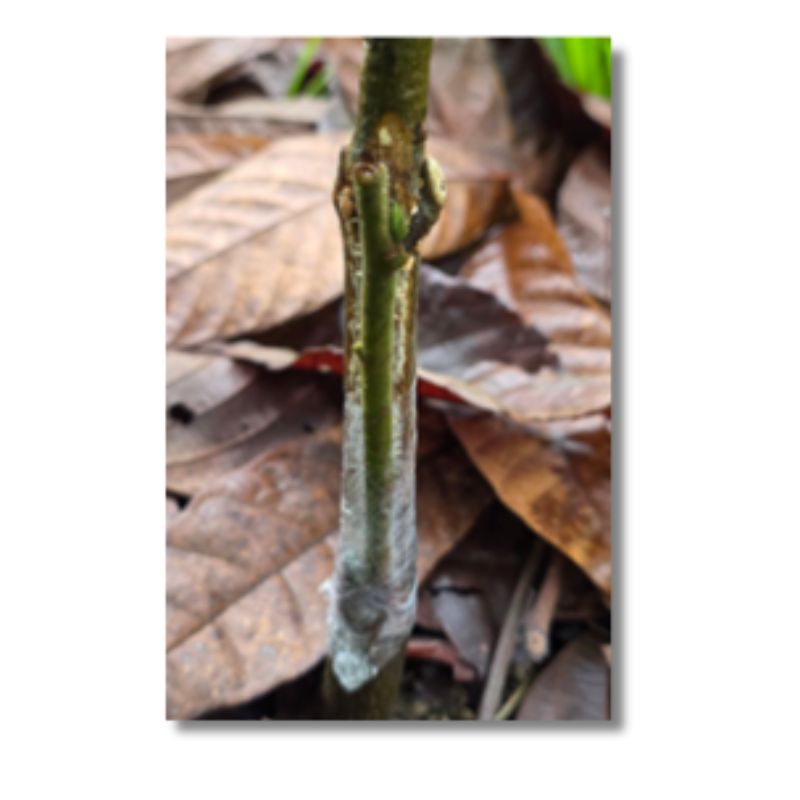
  • Clonal Grafting: Side-veneer grafting executed directly on robust rootstocks to ensure 100% genetic identity to our mother trees.
  • Acclimatization: Progressive light exposure protocol for high field-survival rates upon transplanting.

Germination Pigmentation Analysis

Visual proof of biological purity at the moment of seedling emergence.

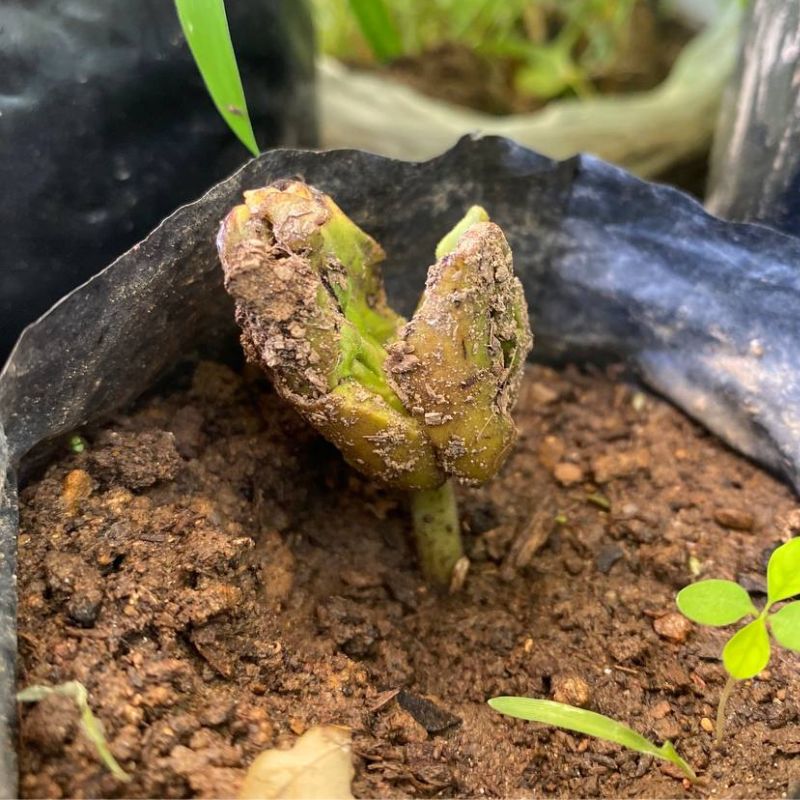
Germinated Criollo seed showing white cotyledons and pale green emerging shoot
Zero Anthocyanin Marker

Biological Phenotype Audit

The complete absence of purple pigmentation in both the emerging hypocotyl and the inner cotyledons serves as an early biological marker of pure Criollo genetics:

  • Zero Anthocyanin Expression: Unlike Forastero or Trinitario seeds which germinate with dark purple or violet shades, pure Criollo displays pale white to light green tissue.
  • Early Quality Gate: Nursery stock is visually audited at germination to discard any potential cross-pollinated hybrids before grafting.

Genetic Purity & Clonal Performance

Morphological characterization executed in partnership with UNET and UCV .

Clone Variant Genetic Typology Cotyledon Color Bean Index (BI) Pod Index (PI) Est. Yield Standard
Porcelana Blanco Ancient Criollo Pure White (Munsell 1-B) 1.23 g 28 pods/kg 929 kg/ha/yr COVENIN Extra-Fine
Lobatera Verde Ancient Criollo Pure White (Munsell 1-B) 1.78 g 14 pods/kg 3,570 kg/ha/yr COVENIN Extra-Fine
Side-veneer graft on elite Criollo rootstock at Hacienda La Porcelana

Proprietary Germplasm & Agroecological Terroir

All trees originate from our controlled germplasm garden, multiplied exclusively via side-veneer grafting to preserve 100% genetic stability and disease resilience without hybrid contamination.

  • 214-Hectare Terroir: Crossed by the iconic Boconó River, spanning a dynamic elevation profile from 80 to 340 m.a.s.l. fed by multiple pristine internal natural springs.
  • Soil & Forest Restoration: Transforming former extensive cattle ranching land into a high-biodiversity cacao canopy, actively recovering organic soil microbiology and native forest structure.
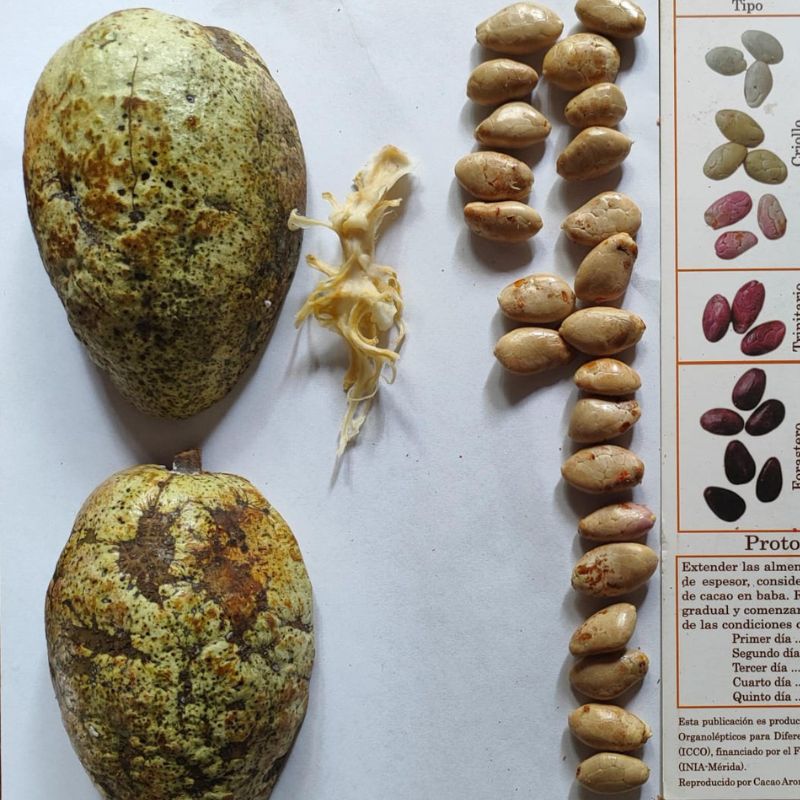
Cut-open mature pod displaying 1-B pure white cotyledons

Peer-Reviewed Research

Our farming methods and varietal metrics are published in technical academic catalogs :

  • Morphological and Productive Catalog of Criollo Cacaos from the Sur del Lago Clonal Garden, Venezuela
  • Structural and Color Changes in Criollo Cocoa Beans During Assisted Fermentation
Download Full Research PDFs

Physical Profile & Cut Test Analysis

Direct visual verification from harvest phenotype to internal post-fermentation structure.

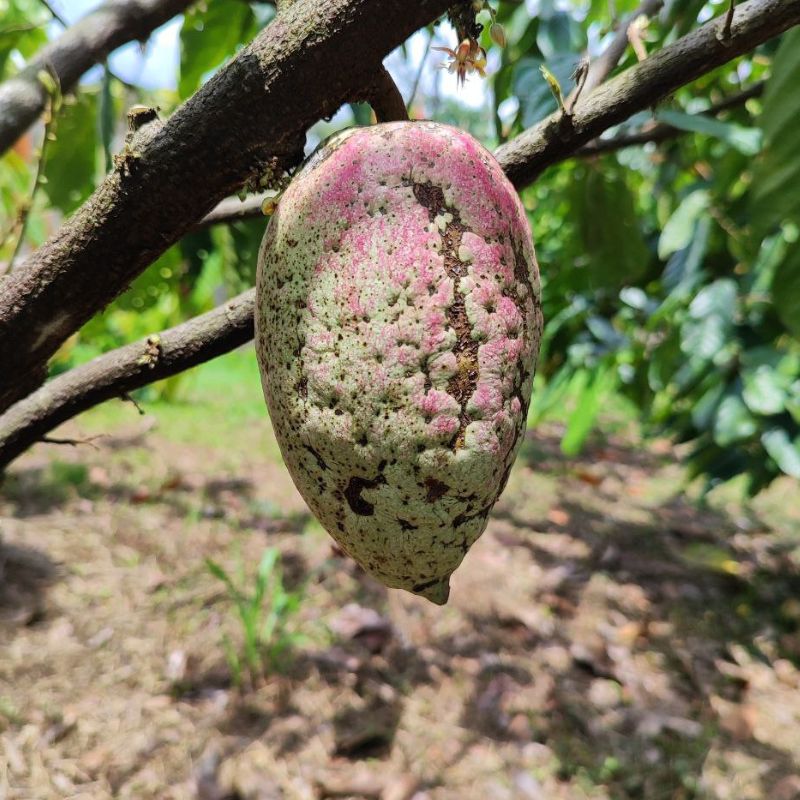
Mature Criollo pod phenotype showing husk texture and color Step 1: Harvest Phenotype

Botanical Pod Metrics

Verification of pod morphology, husk thickness, and ridge definition corresponding strictly to elite Porcelana or Lobatera genetics .

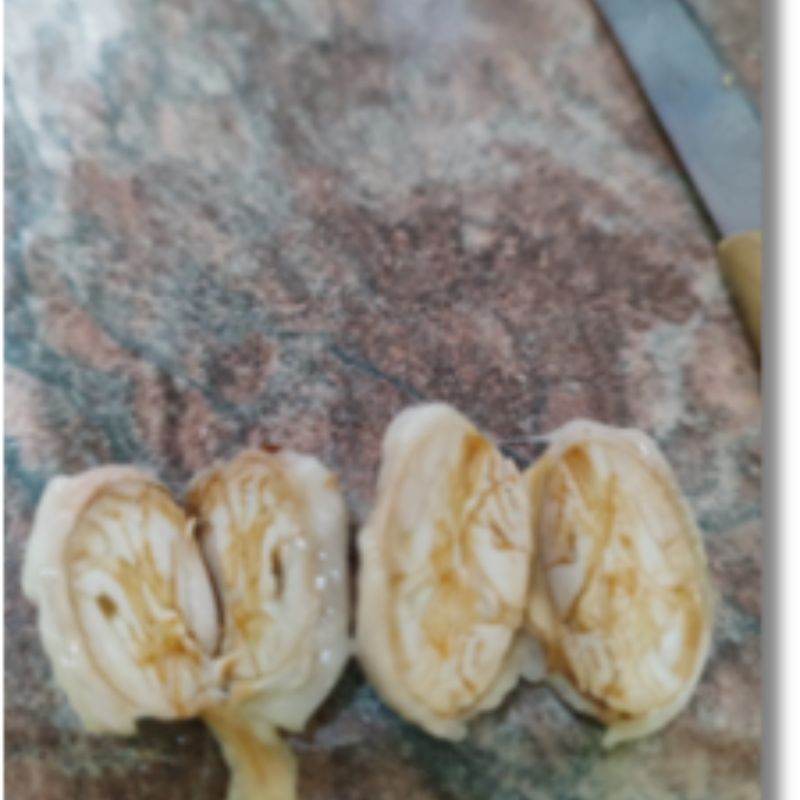
Freshly opened bean demonstrating pure white cotyledons Step 2: Genetic Purity

Raw Cotyledon Color (1-B)

100% white cotyledon verification (Munsell 1-B standard) prior to fermentation, confirming zero anthocyanin pigmentation .

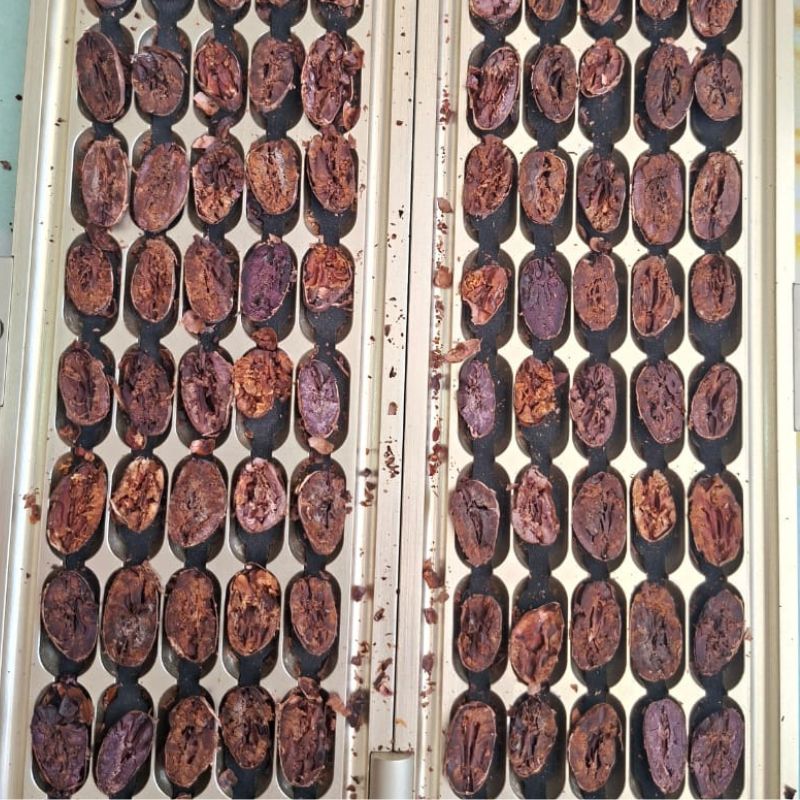
Standard cut-test array showing fully fermented internal brown striations Step 3: Fermentation Audit

Standard Cut Test

Internal cross-section analysis proving >85% fully fermented beans, fully developed internal fissures, and absent slaty or violet defects.

Regenerative Agroforestry Workflow

1

Soil Preparation

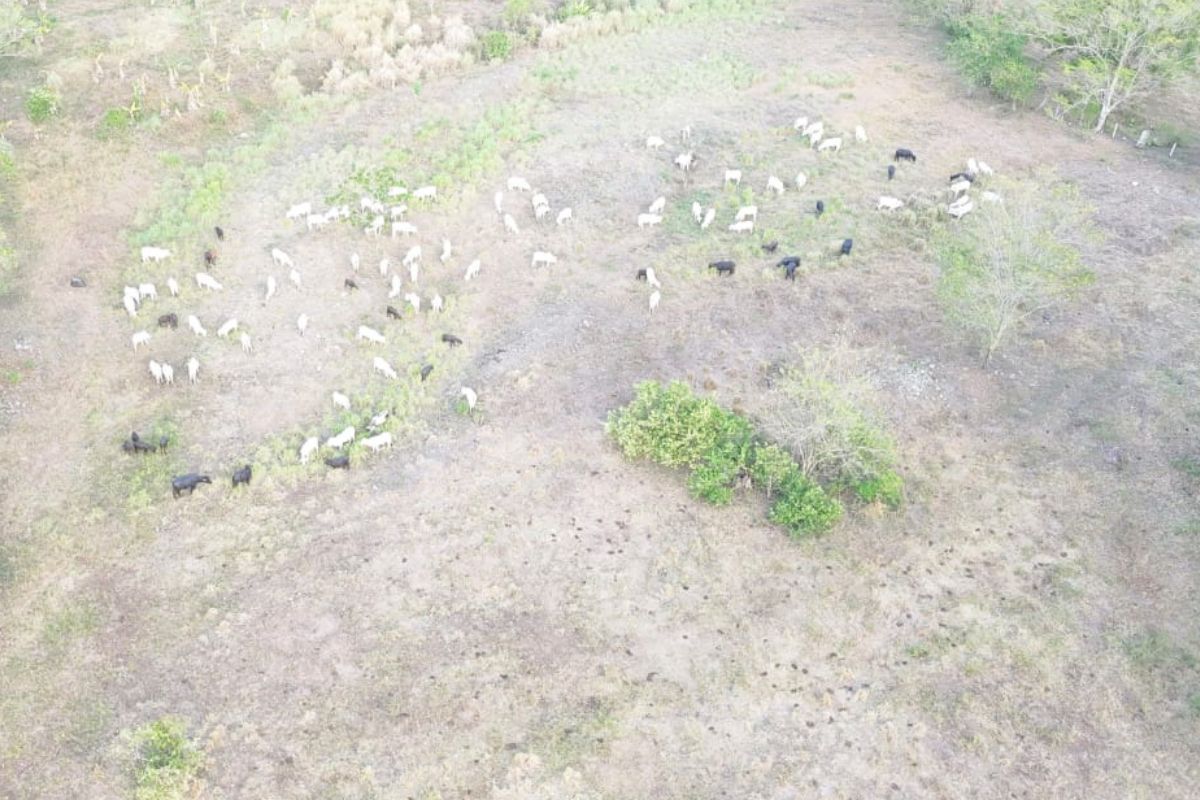
Regenerative grazing with Brahman cattle and Water Buffaloes naturalizes and fertilizes the terrain prior to planting.

2

Nursery Protocol

100% organic management. Protected with Trichoderma fungi and fertilized exclusively with processed gallinaza.

3

Agroforestry Canopy

Permanent reforestation using native shade trees: Guamo, Bucare, Guama, and Araguaney, alongside temporary plantain shade.

4

Self-Regulation

Minor cosmetic mite activity on husks proves our living ecosystem self-regulates naturally without synthetic pesticides.

Brahman cattle or Water Buffaloes clearing land prior to cacao planting

Microbial Assisted Fermentation

Precision Fermentation Standard

To eliminate volatile flavor variances, our fermentation process utilizes specialized inoculation:

  • Inoculation: Professional LALVIN yeast strains combined with our proprietary Acetic Acid Bacteria (AAB) culture.
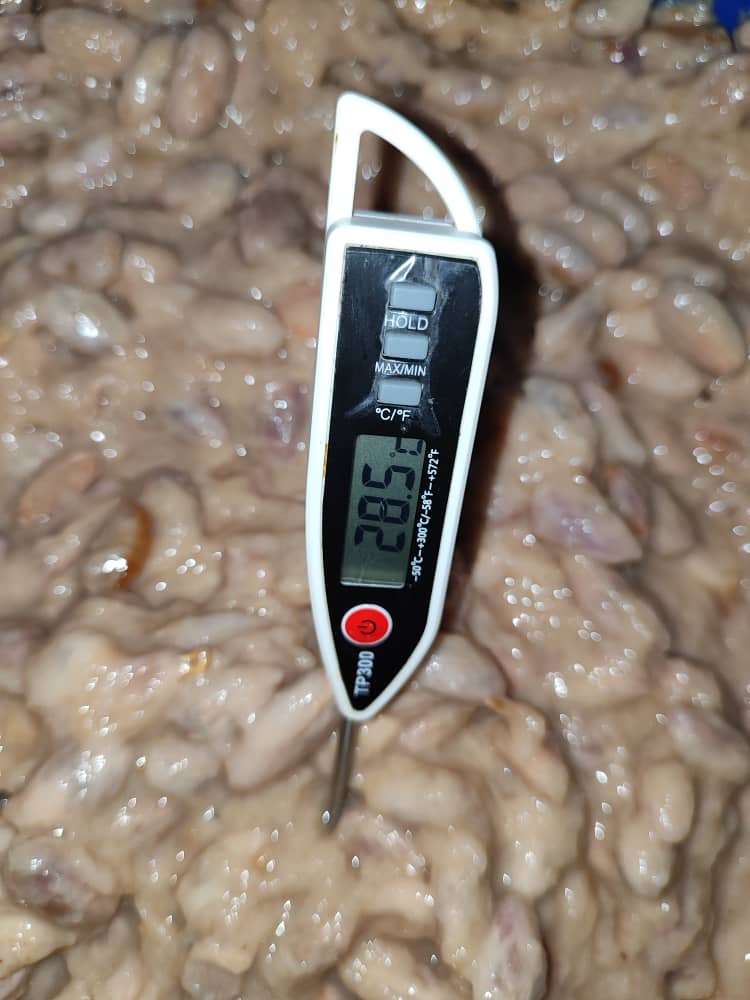
  • Thermal Control: Strict temperature and pH logging across multi-stage wooden fermentation boxes.
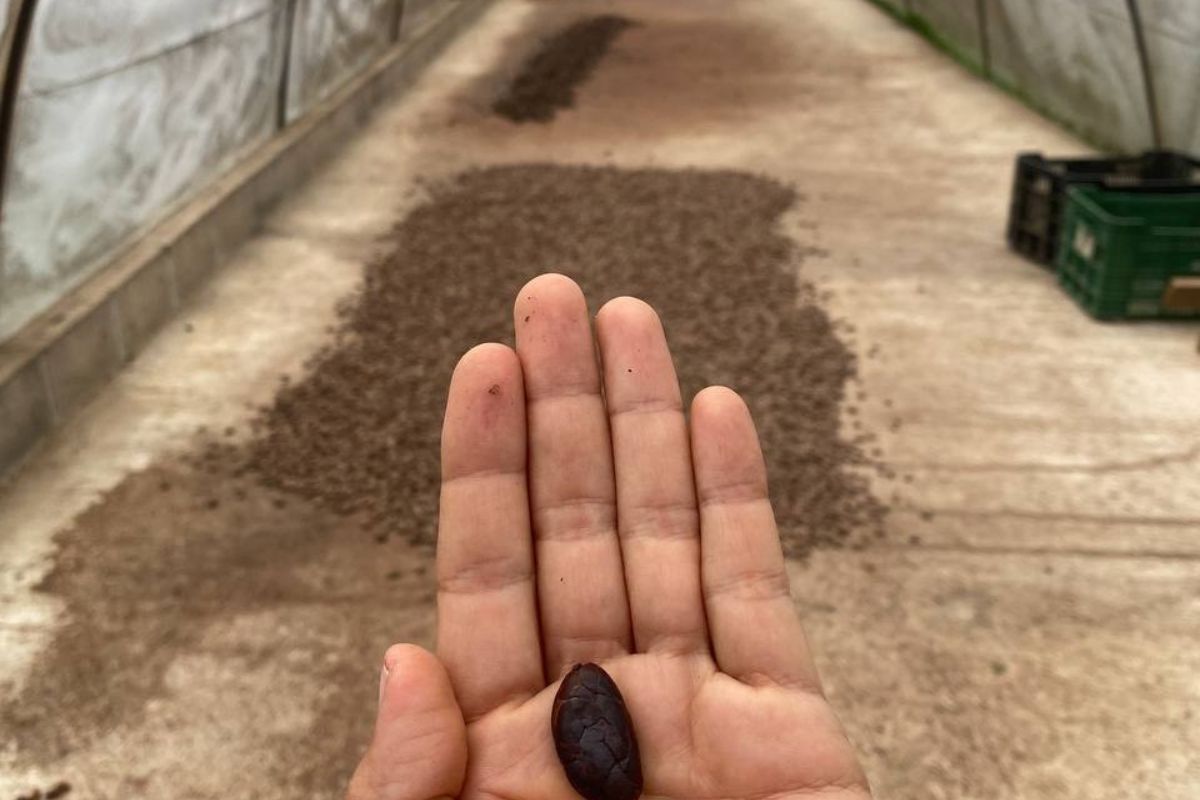
  • Solar Drying: Finished on elevated wooden drying beds to reach precise 6.5–7.0% moisture content.
  • Bagging: Direct origin bagging in protective lined grain sacks.
LALVIN yeast monitoring process Raised solar drying beds displaying uniform batch drying

Human Capital & Circular Economy

10x Wage Benchmark

All field workers receive salaries 10 times above the national minimum wage, setting new social standards in the Táchira region.

Comprehensive Care

Our staff receives 100% free medical consultations, full daily nutrition, and on-site housing accommodations.

FUNVIVE Partnership

Strategic alliance with the FUNVIVE Foundation to execute circular economy initiatives and regional ecosystem protection.

Field team members in Táchira during health checks or farm operations

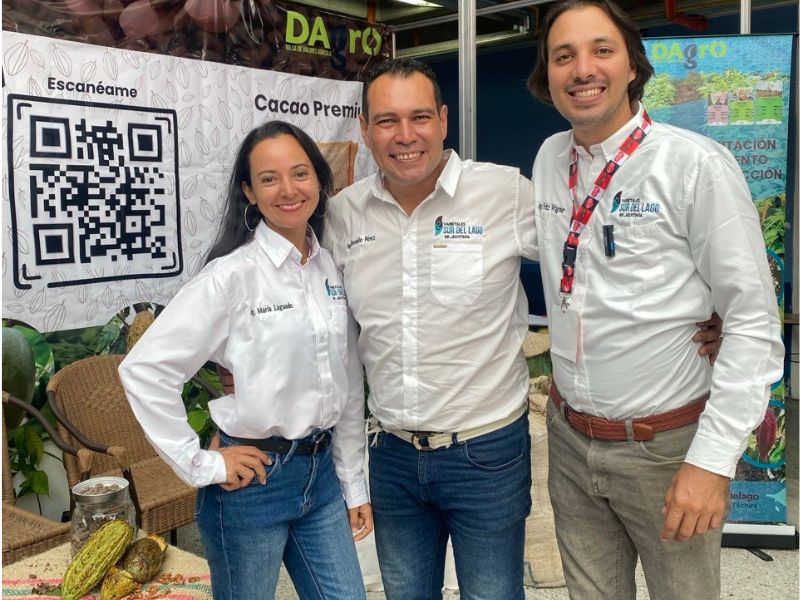
Engineering & Academic Board

Agronomist

María Laguado

Agronomist

Rossy Hilmar Peñaloza

Civil Engineer

María Ligia Briceño

Agronomist

Daniel Ceballos

Agronomist

Jesús Arnoldo Pérez

Agronomist

Rafael Suárez

Systems Engineer

José Luis Ortuño

Production Engineer

Fritz Wagner

Academic Alliance: Universidad Central de Venezuela (UCV)

We collaborate closely with the UCV Faculty of Science through the Diploma in Chocolate Science and Technology, under the academic leadership of Dr. Elevina Pérez.

Live Biodiversity Monitor

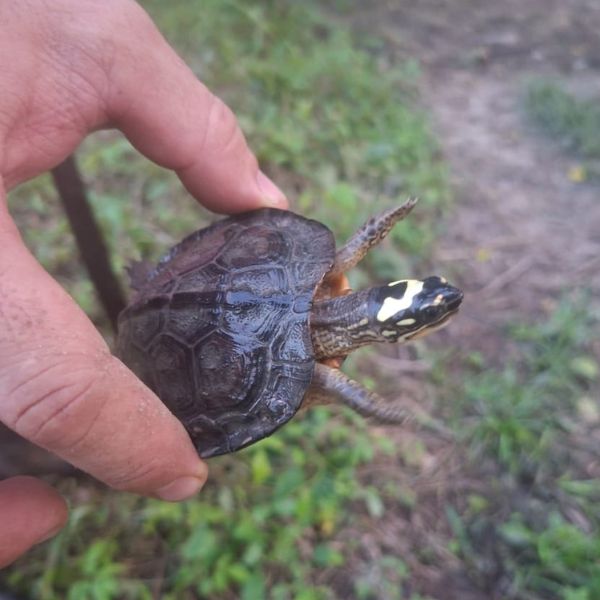
We continuously document the flora, fauna, water springs, and wildlife inhabiting Hacienda La Porcelana.

Fauna Observation Water Springs Native Mammals Avian Species
View Live Feed @criolloporcelana